A cost-of-living protest was met with rifles and a blackout, and at the moment Pakistan finally looked like the stable one, it handed Delhi the only picture Delhi could not take for itself.
Order has to be kept. No state can let its writ lapse in a border territory, and nobody serious argues otherwise. The question is why keeping order has been made to look like this, at the moment it costs the most.
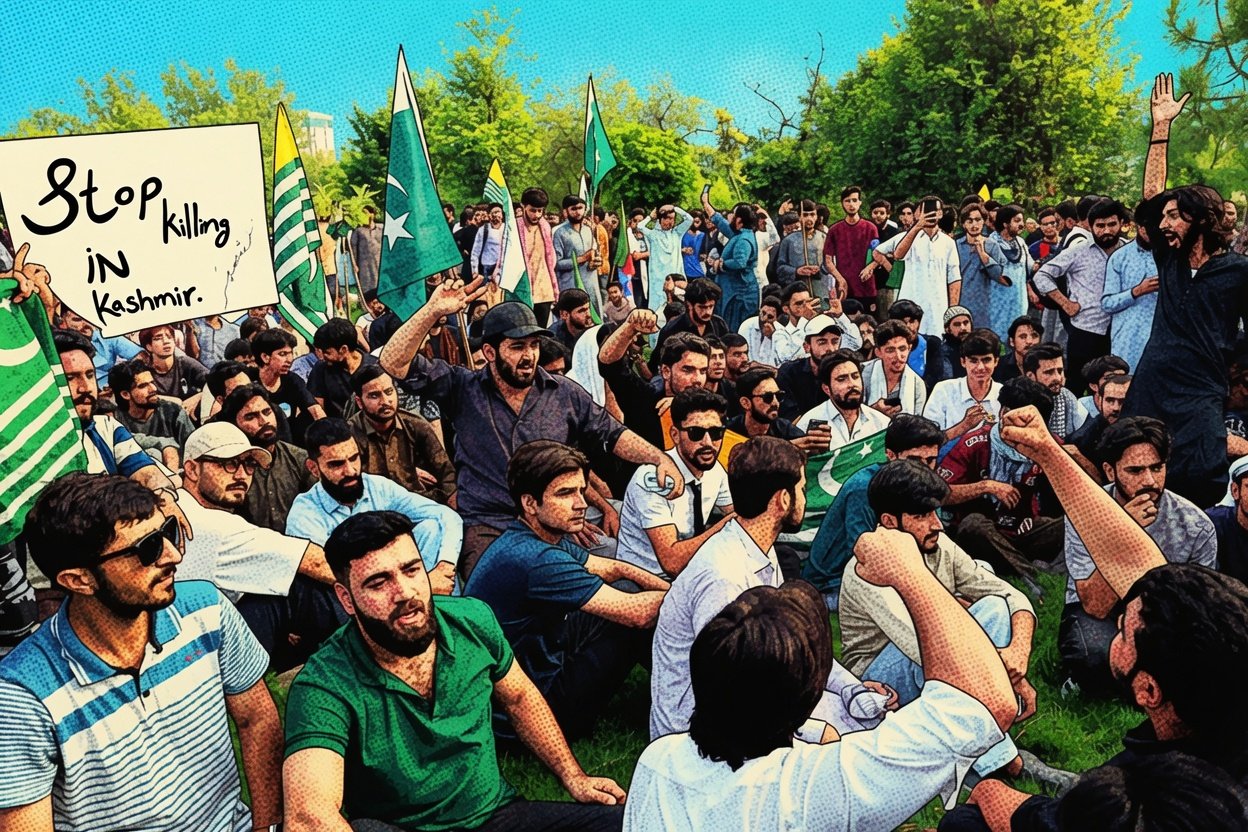
People are dead. The civilians killed this week in Azad Kashmir, the part of the territory Pakistan administers, were not holding weapons or foreign flags. They belong to a citizens' movement asking for cheaper electricity and subsidised flour. There is no version of that exchange in which the arithmetic works, and the human cost sits above any argument about optics. But the optics are a cost too, and a badly underestimated one.
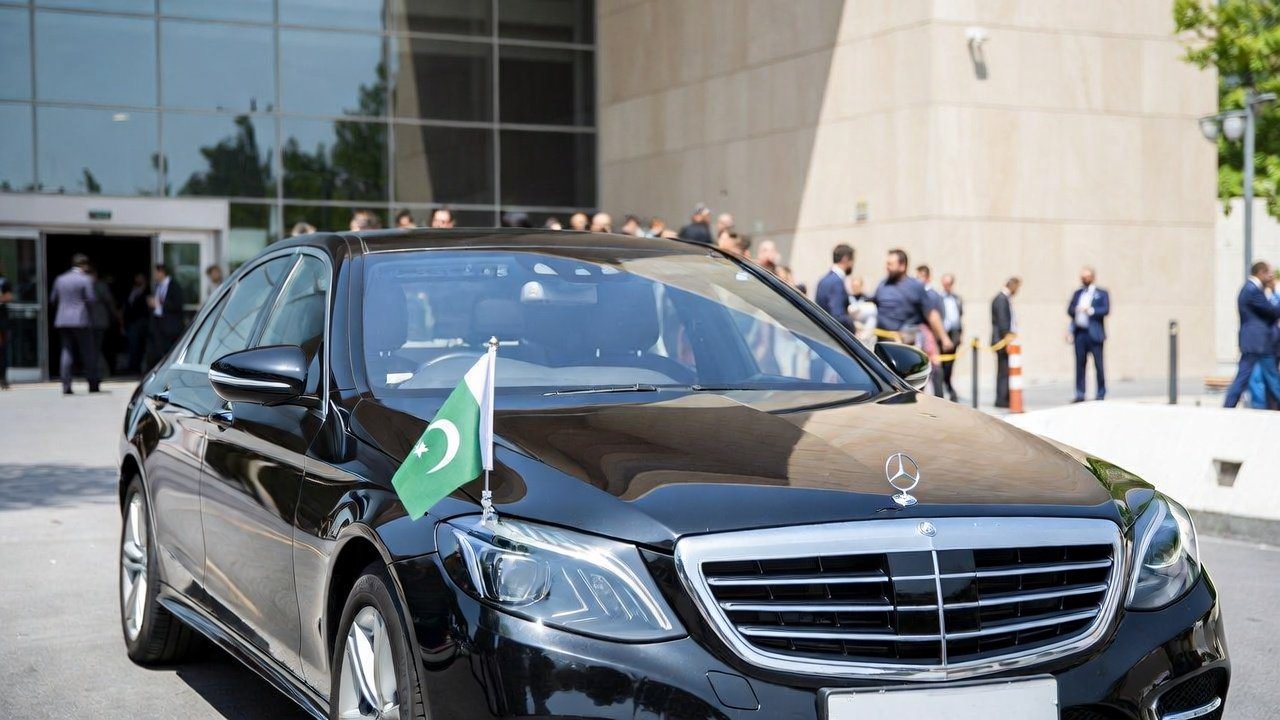
For a year Pakistan has been rebuilding the look of a stable state. The channel to Washington reopened. The mediation between the United States and Iran drew credit from capitals that had spent a decade keeping their distance. The EU's foreign policy chief came to Islamabad and spoke of a forward-looking relationship. The country was starting to read, from outside, as the responsible actor on a subcontinent with one obvious candidate for the other role.
Footage of Pakistani forces firing on Pakistani civilians spends that in a weekend.
India has spent two weeks watching its own students shout down its government and its police charge teenagers at the gates of Parliament. The one thing that could pull those cameras away is a picture of another state doing something worse. This week it arrived, unforced, from Muzaffarabad.
The grievance is worth stating plainly, because from the outside it is easy to misread. This is not a separatist movement and not a foreign hand. It is a protest against Islamabad and the local administration, led by a now-banned citizens' committee that emerged over the past two years across Pakistan-administered Kashmir. Its demands are the price of electricity in a region that generates much of the country's cheapest power, subsidised wheat, and an end to political privileges held by an elite most of the protesters have never voted for, including a bloc of assembly seats reserved for people who do not live there. Those are governance problems with governance answers: tariffs, subsidies, a delegation, a hearing, a concession that costs a fraction of the alternative. Treated as a security problem, the tools become blackouts, mass arrests, terrorism designations and men with rifles, and the grievance does not shrink. It hardens, and it finds an audience. A state that reaches for the security toolbox to settle a subsidy dispute is not projecting strength. It is advertising that it can no longer tell the two apart.
The blackout is the tell. Cutting the networks does not contain the story, it concedes it. Next to a country that has made the internet shutdown a signature of its worst instincts, reaching for the same switch is imitation of the thing Pakistan has spent a year positioning itself against.
None of this touches the state's right to govern its territory. It touches the competence of the method and its price at this hour. The reputation the federal government spent a year earning is not a renewable resource. It rebuilds slowly and spends fast, and it is being spent now on a problem a fraction of the same effort would have answered without a funeral or a single usable frame for Delhi.
The advice is narrow and practical. Restore the networks. Release the people arrested for asking to be governed better. Put someone in a room with the committee who can talk about the price of a unit of electricity and the composition of the assembly. The cost of that is small and known. The cost of the alternative is being counted this week in two currencies at once, the funerals in Azad Kashmir and the year of standing draining away on every screen that matters.
A state is entitled to keep order. It is not entitled to forget that the world is watching how.
The Pakistan Playbook will continue to follow the situation in Azad Kashmir and the government's response to it.