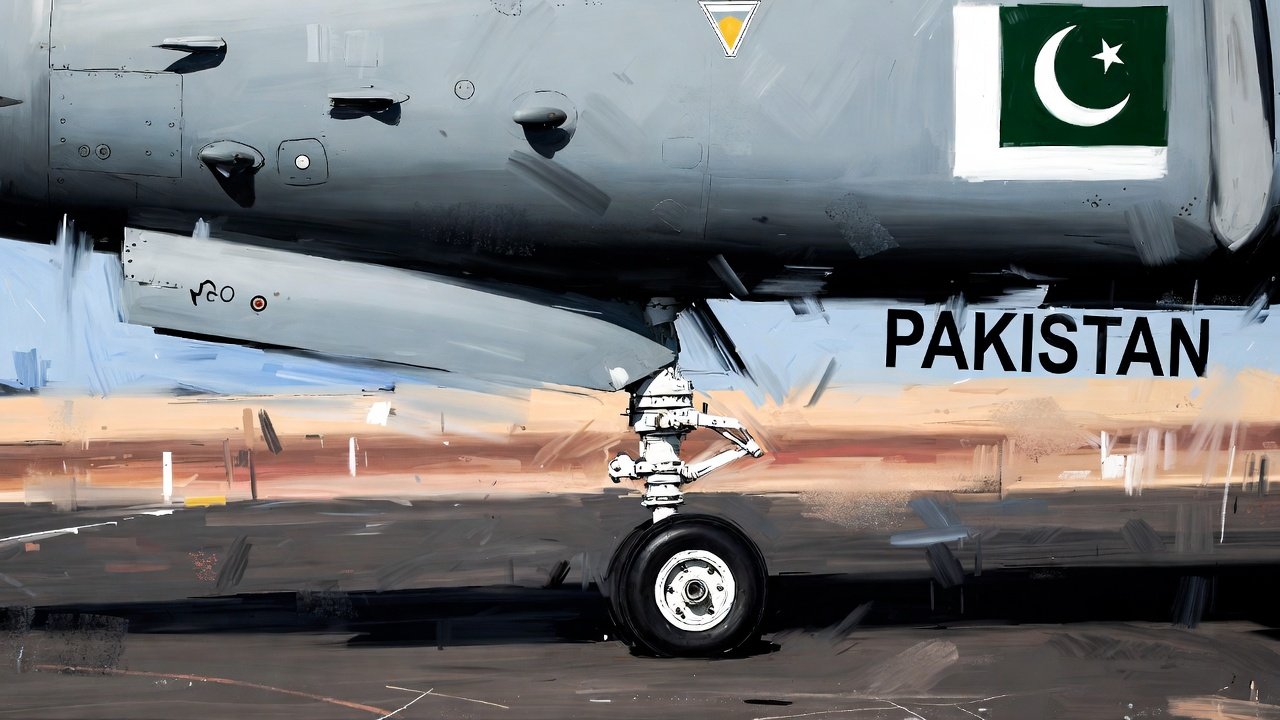
Five weeks after signing, Pakistan is weighing strikes on the Houthis at Saudi request. An explainer on what the pact requires and what Islamabad has not decided.
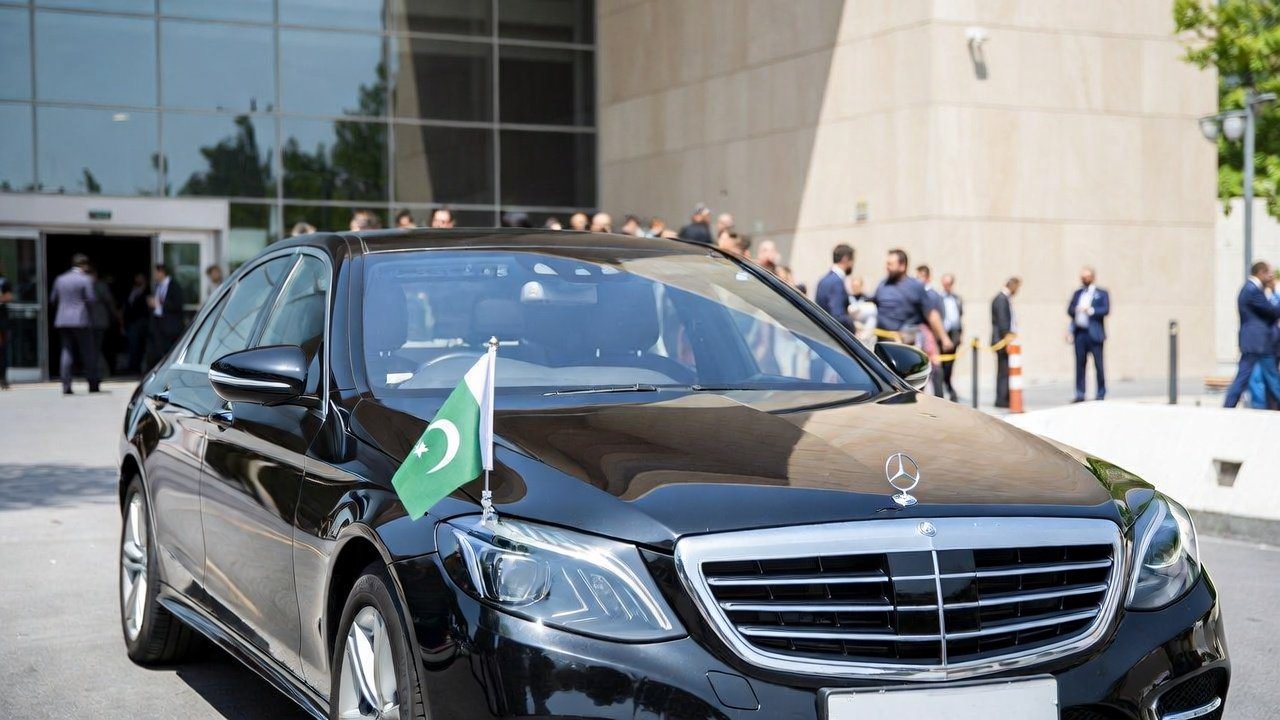
Pakistan is weighing airstrikes on Houthi positions in Yemen if Saudi Arabia formally requests activation of the Mecca Joint Defence Agreement, according to Pakistani sources cited by Türkiye Today on 9 September. Saada, the Houthi heartland, is among the areas under consideration. One source said strikes could take place soon and be announced afterwards, and that no final decision had been taken.
The same reporting sets out lesser options. Pakistan could reinforce Saudi airspace and help intercept incoming missiles and drones, or provide intelligence and protect installations without striking Yemen at all. A Pakistani source told Reuters that Saudi, Pakistani and Turkish military representatives met in Riyadh and agreed that no troops would enter Yemen and any response would launch from Saudi territory.
Reuters separately reported, citing Saudi, Pakistani and Iranian sources, that Pakistan had delivered a Saudi warning to Tehran to rein in the Houthis.
What Triggered It
Houthi drones and missiles struck Abha, Khamis Mushait, Jazan and Najran on Tuesday 8 September, hitting an airbase and oil infrastructure and injuring 73 people. Saudi Arabia halted several energy facilities in the south, then carried out what the Houthi spokesman put at 54 strikes across Yemen within twelve hours. The Houthis announced a blockade on Saudi shipping in the Red Sea.
The pact, under which Pakistan, Saudi Arabia and Turkey treat an armed attack on one as an attack on all, was signed on 7 August.
Two Statements From Islamabad
Khawaja Asif went on Geo News on Tuesday night. "If there is unprovoked aggression, or a spillover of whatever is happening in Yemen into Saudi Arabia, definitely the Mecca agreement will become operational," he said. "There should be no doubt about that. We are bound by the terms and conditions of this pact, and we will honour them in case there is a need." He described the pact as a deterrent that did not necessarily mean military action, and acknowledged sympathy for Iran across the Muslim world.
The Foreign Office has said no military measures are currently under discussion.
The pact's implementing mechanisms have not been published. Whether a request must be formal, who in Pakistan decides, and whether Parliament has a role are questions the text has not answered publicly.
The 2015 Precedent
Saudi Arabia asked Pakistan for troops, aircraft and ships against the Houthis in March 2015. Parliament debated for five days and on 10 April passed a unanimous resolution keeping Pakistan out while affirming support for Saudi territorial integrity. Asif was defence minister then and had made comparable remarks before Parliament declined the request. Pakistan then operated on an informal understanding with Riyadh. It now operates under a signed agreement, and no minister has mentioned Parliament this week.
The Mediator Problem
Pakistan hosted the April talks that produced the first US-Iran ceasefire and co-brokered the Islamabad Memorandum of 17 June with Qatar. That memorandum expired on 17 August and American strikes on Iran resumed. Pakistan is now the channel carrying Saudi warnings to Tehran and the state weighing strikes on Iran's principal regional ally. The government has not said how it reconciles the two roles.
Bottom Line
Pakistan is reported to be weighing strikes on Houthi positions at Saudi request, with no decision taken and the three signatories agreed that no troops enter Yemen. The defence minister has said the pact will become operational in the event of spillover; the Foreign Office says no military measures are under discussion. Pakistan has delivered a Saudi warning to Iran. In 2015 Parliament refused a comparable request, and this time nobody in government has raised it.
Unresolved
What the pact's activation mechanism requires and whether a formal Saudi request has been made. Whether the decision sits with the cabinet, the Prime Minister, the Chief of Defence Forces or the National Assembly. Which of the two Islamabad statements reflects policy. What Iran's response to the Pakistani message was.
What To Watch
Whether Saudi Arabia formally invokes the pact. Whether Pakistani air assets deploy to Saudi territory, which would be visible before any announcement. Whether the National Assembly is convened or the opposition demands it. Whether Houthi attacks continue at the 8 September scale. And whether Tehran restrains the Houthis in response to the Pakistani message.
The Pakistan Playbook will continue reporting on the Mecca pact and Pakistan's obligations under it. ■