By Thursday evening, members of the Iranian delegation at Bürgenstock had a message for us: watch the news. Expect movement. They had been asked to stay put. More technical staff had been summoned. From the outside, the postponement looked like the deal's first crack. From inside the resort, the Iranians were signalling the pause was managed, not panicked.
What it took to get here
The numbers tell part of the story. In 111 days, Pakistani officials conducted 250 diplomatic engagements, 170 urgent international phone calls, and 80 intense in-person meetings. Across four months, Pakistan averaged more than two critical engagements every single day. Forty-nine countries engaged across five continents. The UN, the EU, and other major international bodies drawn into the architecture. Military diplomacy running in parallel to political tracks. The shuttle to Tehran became routine.
The 21-hour marathon in Islamabad in April produced no agreement and became the foundation for everything that followed.
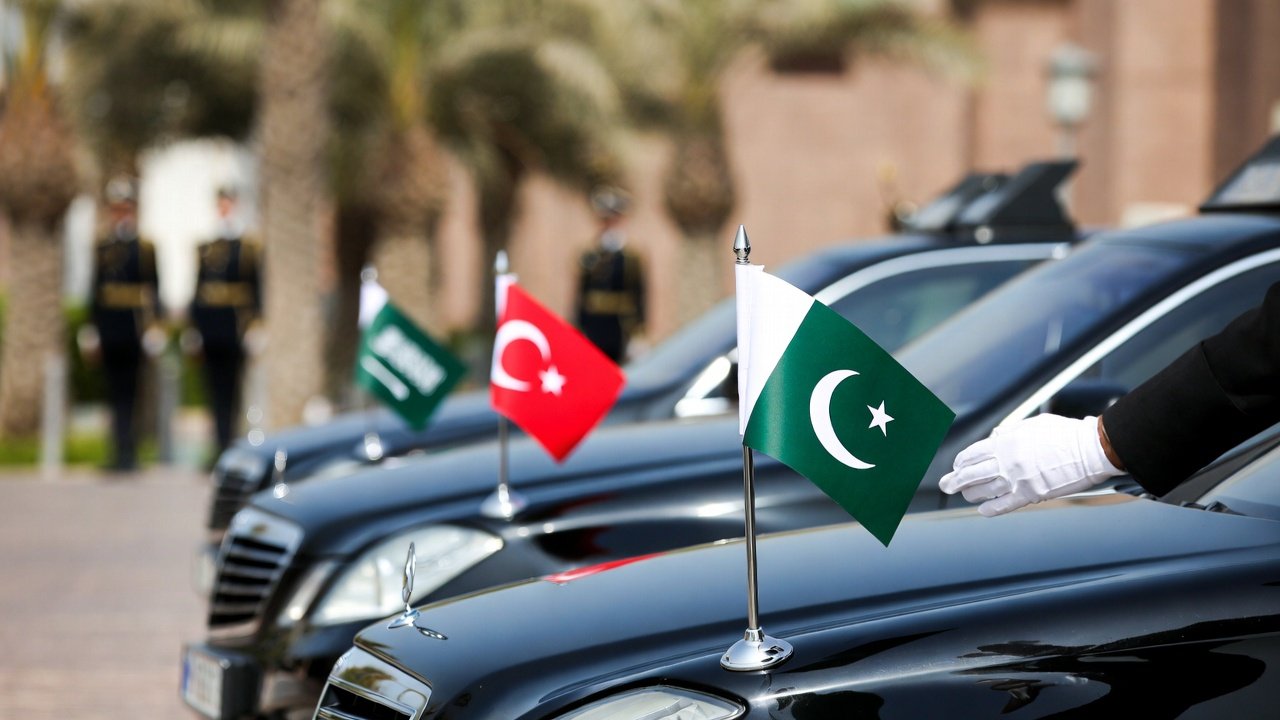
Sharif told the National Assembly this week that there were moments when the talks appeared close to collapse repeatedly, and each time it was Field Marshal Munir who kept them alive. "Throughout this period, he was awake all day and night," Sharif said. "He sacrificed day and night to extinguish the flames of war." Munir travelled to Tehran twice. Interior Minister Naqvi, whom Sharif credited for engaging "with Iranian brothers", accompanied him on the second visit. Araghchi made multiple visits to Islamabad, meeting separately with both Munir and Sharif. During one visit he said Tehran intended to engage with Pakistan's mediators "until a result is achieved." Dar worked the regional coalition throughout, speaking with counterparts in Saudi Arabia, Turkey, and Egypt as the final phase approached.
The Versailles signing happened with almost no notice. Trump signed the MOU during dinner with Macron at the Palace of Versailles following the G7. Pezeshkian signed simultaneously in Tehran. Within four hours of the signal, all sides deliberated and got onboard. The ceremony planned at Bürgenstock for June 19 was superseded by a remote digital signature on June 17. The document had a name. The ceremony was secondary.
The 36 Hours
What followed the digital signing was the deal's first real test. Vance had been prepared to make an overnight flight to Bürgenstock. His staff and a small group of journalists gathered at Joint Base Andrews. Dozens of White House officials and advance staff were already in Switzerland. Then, abruptly on Thursday evening, the trip was cancelled. The White House said: "The logistics of these negotiations have never been simple or predictable."
Israel had struck southern Lebanon overnight, killing at least 18 people. Iran's position, consistent since April, was that further engagement was impossible while Israeli operations in Lebanon continued. The demand was not new. It was the same demand made in Islamabad in April, in the back-channels through May, and written into the MOU's first clause. The postponement was Iran enforcing the text.
Naqvi travelled to Iran. Qatar's prime minister was already at the resort. Dar was in Egypt. The mediating coalition did not disperse. It absorbed the stall and kept working.
By Friday afternoon, Trump announced a renewed Israel-Hezbollah ceasefire. That evening, Pakistan's Foreign Ministry confirmed technical-level talks would be held at Bürgenstock on June 21. Sharif and Munir would both attend.
Lebanon and the Bomb
Four-party talks are scheduled to begin at Bürgenstock this afternoon at 1:30pm local time. Iran met first with Pakistan and Qatar separately before entering the room with the Americans, the same sequencing used in Islamabad in April. Bilateral US-Iran consultations are scheduled for this evening. The Strait remains closed per the IRGC, which has issued no permits for vessel transit until further notice. US Central Command denies Iran controls the Strait. The ambiguity is, itself, the opening position.
Vance told reporters before boarding his flight that he hoped to make progress on two things: the nuclear issue and the Lebanon ceasefire. IAEA Director General Rafael Grossi, who welcomed the MOU from Geneva while cautioning against speculation, said he may attend. The presence of central bank and oil officials in Iran's delegation signals that sanctions sequencing, not just nuclear architecture, is on the immediate agenda.
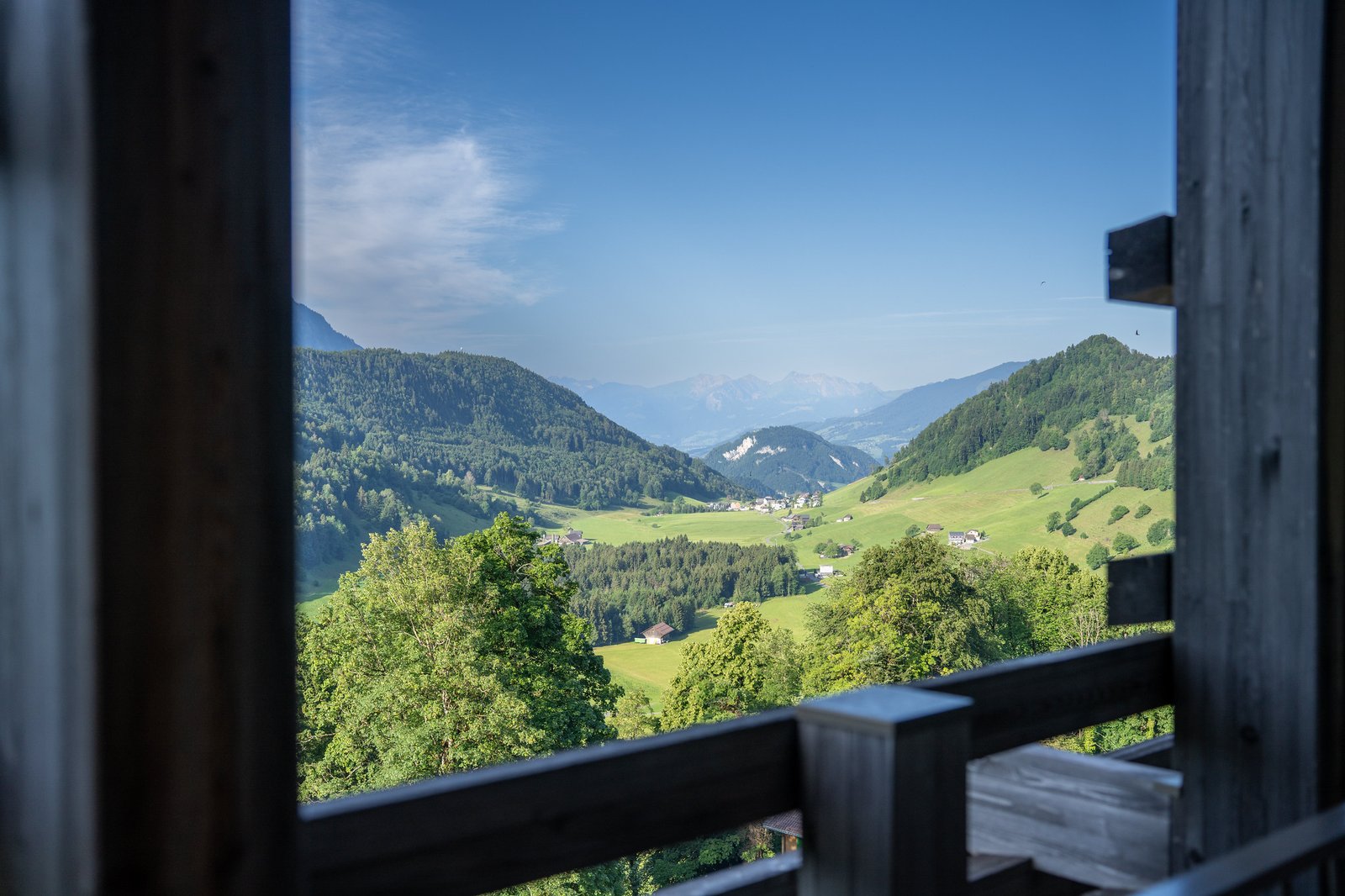
Bürgenstock is the natural recurring venue for as long as these talks run. It sits above Lake Lucerne, a manageable flight from Washington, Tehran, Islamabad, and Doha. It is owned by Qatar's sovereign wealth fund. The infrastructure is in place. Switzerland has confirmed it remains ready to facilitate. No venue rotation has been announced.
The 60-day clock is running. The Islamabad process has delivered what it set out to deliver: a named agreement, a signed text, a table with both parties sitting at it. The name on the process is settled. What happens inside the room from here belongs to the negotiating parties.
Iran's Foreign Minister said it plainly before the talks began: "Our work is now more difficult than before, because implementing international agreements is always far more difficult than drafting them."
That is where things stand as of this afternoon at Bürgenstock. ■